Rediscover Independence: Why a Sit to Stand Lift for Home Use Transforms Daily Transfers
FlorencePHarrelson,
Understanding the Mechanics and Benefits of Sit to Stand Lifts at Home
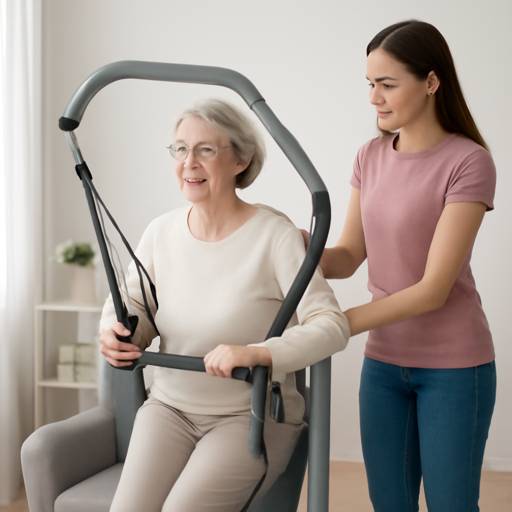
A sit to stand lift for home use is engineered for individuals who possess some lower-body strength and can bear partial weight during transfers. Unlike full-body sling lifts, these devices utilize a padded seat and a knee pad to guide the patient from a seated to a standing position in a controlled, natural motion. The core mechanism relies on a hydraulic or electric actuator that raises the seat platform while the patient holds onto ergonomic handles for stability. This design encourages active participation, which is crucial for maintaining muscle tone and preventing further deconditioning.
The benefits extend far beyond the mechanical lift itself. For caregivers, the reduction in physical strain is dramatic. Repeatedly assisting a loved one from a chair, bed, or toilet places enormous stress on the lower back and shoulders. By using a sit to stand lift, the caregiver eliminates the need for awkward, bending lifts and instead manages a smooth, guided transfer. This not only prevents workplace-style injuries in the home but also preserves the emotional energy of both parties. For the patient, the psychological boost is equally significant. Being lifted passively can feel disempowering, but a sit to stand lift allows the individual to engage their own muscles, feel the floor beneath their feet, and maintain dignity throughout the process. This active weight-bearing also improves circulation, stimulates bone density, and reduces the risk of pressure sores that can develop from prolonged sitting.
The operational simplicity of these devices makes them ideal for home environments. Most models feature intuitive hand controls, battery-powered backup for emergencies, and compact frames that fit through standard doorways. Safety features such as anti-tip bases, locking casters, and padded knee supports ensure that transfers remain stable even on carpeted surfaces or in tight bathroom spaces. It is important to note that these lifts are not suitable for patients who cannot bear at least partial weight or who have severe upper-body weakness, as the standing motion requires active participation. For the appropriate user, however, a sit to stand lift for home use becomes an indispensable tool for maintaining independence and reducing the burden on family caregivers.
Key Considerations When Choosing a Sit to Stand Lift for Your Home Environment
Selecting the right device involves evaluating several practical factors that directly affect daily usability. The first consideration is weight capacity. Home-use lifts typically range from 300 to 450 pounds, and it is essential to choose a model that accommodates the patient's current weight while allowing a safety margin. Frame width is another critical variable, especially for individuals with larger body frames. Some lifts offer adjustable base widths to accommodate different chair widths, while others have fixed dimensions that may feel restrictive. The knee pad should be contoured and easily adjustable to align with the user's shin height, as improper positioning can cause discomfort or reduce the efficiency of the lift.
Battery life and charging convenience are often overlooked but become vital during daily use. Many electric sit to stand lift models include rechargeable batteries that provide 20 to 50 cycles per charge. For home use, a lift that can operate on battery power when not plugged in offers flexibility, allowing transfers in multiple rooms without being tethered to an outlet. Manual hydraulic models are also available and require no electricity, making them a reliable backup option. However, they demand more physical effort from the caregiver to pump the handle, which may not be ideal for those with limited hand strength. The floor space required for operation must also be measured carefully—most lifts need a clearance of roughly 30 to 36 inches in front of the seating area to extend the base and position the knee pad.
Stability is paramount, particularly when transferring on uneven surfaces. Look for lifts with anti-tip feet that automatically deploy when the base is opened, and casters that lock securely during the transfer. Some models feature a wide footprint that distributes weight evenly, reducing the risk of tipping even if the patient leans unexpectedly. For caregivers managing multiple transfers throughout the day, the ease of repositioning the lift between rooms matters. Lightweight aluminum frames, while more expensive, greatly simplify moving the device from bedroom to bathroom. Ultimately, the ideal sit to stand lift for home use is one that matches the patient's physical ability, the caregiver's strength, and the home's layout, ensuring that every transfer remains safe, comfortable, and dignified.
Real-World Impact: How a Sit to Stand Lift Enhances Quality of Life
Consider the case of Margaret, a 74-year-old widow living alone with moderate knee osteoarthritis. After a hip replacement, she struggled to rise from her favorite armchair without gripping the furniture—a dangerous habit that led to two near falls. Her daughter, a part-time caregiver, was growing increasingly anxious each visit. When they introduced a sit to stand lift into the living room, the change was immediate. Margaret no longer needed to rock forward or grab unsteady surfaces. Within two weeks, her confidence returned, and she began taking short walks around the house using a walker. The lift's knee pad provided just enough support to take the pressure off her hips, while the handles gave her a secure grip. Her daughter reported that her own shoulder pain disappeared, and the emotional stress of fearing a fall vanished.
Another real-world example comes from a family caring for a 68-year-old husband with early-stage Parkinson's disease. The disease caused rigidity and postural instability, making standing from a dining chair a daily ordeal. The caregiver, his wife, had already injured her lower back twice. They purchased a sit to stand lift for home use with a battery-powered lift and a narrow base that fit between the dining table and wall. The device allowed her husband to participate in standing while she guided the movement with minimal force. The consistent, gentle upward motion actually helped his muscles engage in a more coordinated way than when he tried to stand unaided. The wife described the lift as "a marriage saver" because it eliminated the frustration and humiliation that had crept into their daily interactions. The device also enabled him to transfer to the toilet independently with a caregiver nearby, preserving his dignity and reducing the need for incontinence products.
These experiences illustrate a broader principle: a sit to stand lift does not simply perform a physical task—it rewires the daily routine around capability rather than limitation. In rehabilitation settings, occupational therapists often recommend these lifts as a bridge between bed rest and full ambulation. At home, they serve a similar role, allowing patients to remain active participants in their own care. Studies show that patients who use sit to stand devices for home transfers experience fewer hospital readmissions related to falls and caregiver burnout. The device transforms the home from a place of constant risk into one of controlled, manageable movement. Whether recovering from surgery, managing a chronic condition, or supporting an aging parent, the decision to integrate this equipment often marks a turning point toward sustained independence and reduced physical toll on everyone involved.
The realm of Seiko mod watches has captured the fascination of watch enthusiasts around the globe. These customized timepieces blend the reliability of Seiko with a touch of personal flair, transforming standard models into unique tokens of individuality. The Custom Seiko Watches Phenomenon For decades, Seiko has been synonymous with…
Weddings in Scotland exude a magical charm, with picturesque landscapes and historic venues providing a stunning backdrop for life’s most cherished moments. For couples seeking authenticity and elegance, choosing the right photographer is crucial. Enter the world of documentary wedding photography, where every candid moment tells a story of love…
In an era where digital narratives shape the identity of brands and organizations, the role of a Videographer Albuquerque is crucial. Albuquerque, known for its vibrant culture and dynamic landscapes, offers spectacular opportunities for visual storytelling. Whether you’re an entrepreneur, artist, or business looking to deepen your digital foothold, there…